The First Kashmir War was a pivotal conflict between India and Pakistan that erupted in the princely state of Jammu and Kashmir from October 1947 to March 1948. This war not only shaped the territorial boundaries of the region but also laid the groundwork for the enduring tensions that define India-Pakistan relations today.
Historical Context
The roots of the Kashmir conflict trace back to the partition of British India in August 1947. The subcontinent was divided into two independent dominions: India and Pakistan. The princely states, including Jammu and Kashmir, were given the choice to join either country or remain independent. Maharaja Hari Singh, the ruler of Jammu and Kashmir, initially opted for neutrality. However, the situation escalated dramatically when tribal militias from Pakistan invaded Kashmir in October 1947, aiming to annex the region based on its majority Muslim population.
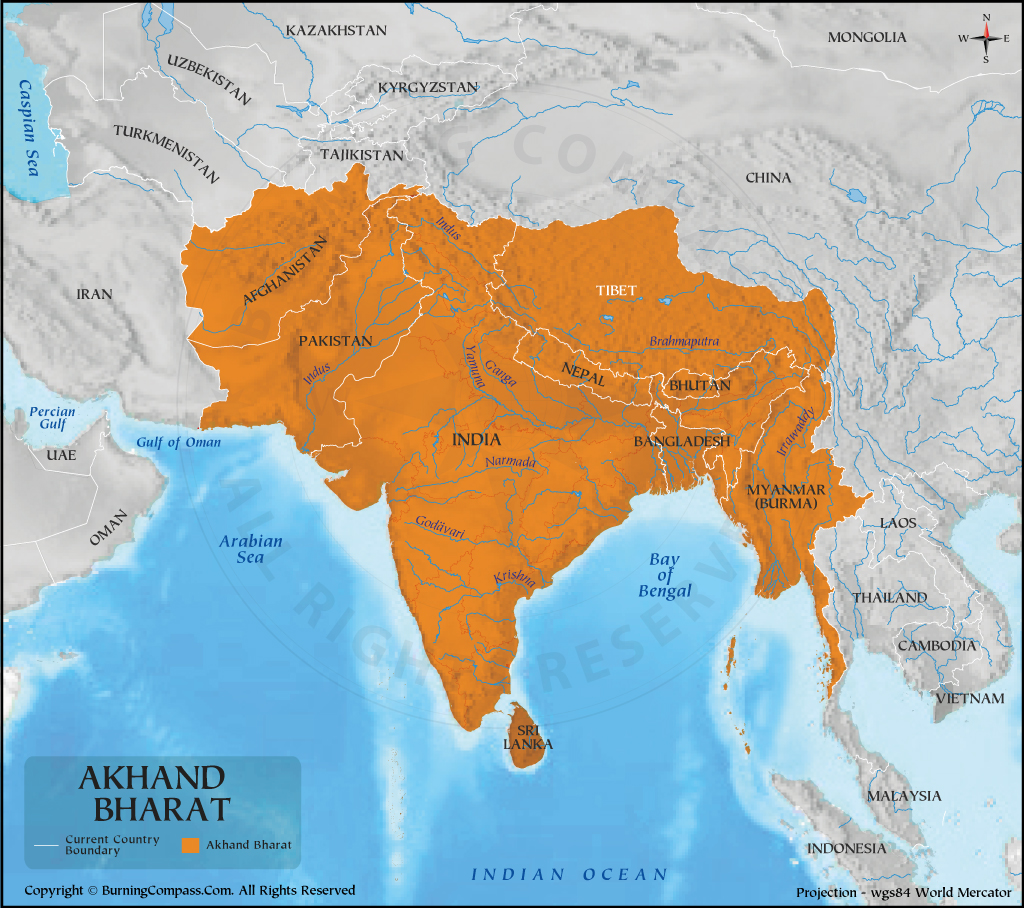
Map of India before 1947:
The Invasion and Initial Conflict
On October 22, 1947, tribal forces, backed by the Pakistani government, invaded Kashmir. Facing imminent danger, Maharaja Hari Singh sought military assistance from India but insisted on retaining sovereignty. Under pressure, he signed the Instrument of Accession on October 26, 1947, which allowed Indian troops to enter Kashmir in exchange for joining India. Indian forces were airlifted to Srinagar, where they quickly engaged the invading forces and successfully halted their advance.
Key Battles and Military Engagements
The war featured several significant battles and military engagements:
- Battle of Srinagar: After Indian troops landed, they launched an offensive to secure Srinagar, preventing its capture by tribal forces.
- Battle of Poonch: A crucial engagement where Indian forces fought to reclaim the Poonch Valley, leading to intense and prolonged skirmishes.
- Battle of Zojila Pass: This strategic pass was vital for controlling access to Ladakh. The battle was characterized by harsh weather conditions and treacherous terrain, making it one of the most challenging for Indian forces.
- Battle of Skardu: Indian troops aimed to capture Skardu, a key location in Gilgit-Baltistan. This battle saw fierce resistance from Pakistani forces.
International Involvement and UN Intervention
The conflict drew international attention, with both nations seeking global support. The United Nations intervened in January 1948, urging both sides to cease hostilities. A ceasefire was eventually established on January 1, 1949, with the Line of Control (LoC) marking the division of territories controlled by India and Pakistan. This ceasefire was not a formal peace treaty but rather a temporary halt to hostilities, leaving the Kashmir issue unresolved.
Consequences and Long-term Impact
The First Kashmir War had several lasting consequences:
- Territorial Division: The war resulted in the division of Jammu and Kashmir into regions administered by India and Pakistan, leading to an ongoing territorial dispute.
- Ongoing Tensions: The unresolved nature of the conflict has led to further military confrontations, including the Indo-Pakistani wars of 1965 and 1999, as well as numerous skirmishes along the LoC.
- UN Resolutions: The UN has passed various resolutions calling for a plebiscite to determine the region's future, but these have yet to be implemented, further complicating the situation.
- Human Rights Violations: The conflict has been marked by allegations of human rights abuses on both sides, contributing to a cycle of violence and distrust between communities.
Cultural and Socio-Political Implications
The First Kashmir War also had significant cultural and socio-political repercussions:
- Displacement of Populations: The conflict resulted in the displacement of numerous families, leading to demographic shifts and increased communal tensions.
- Influence on Literature and Art: Many writers, poets, and artists began exploring themes of loss, identity, and nationalism in their works, reflecting the deep emotional scars left by the conflict.
- Radicalization: Over time, the ongoing conflict has led to the rise of militancy in the region, further complicating the quest for peace.
Legacy of the First Kashmir War
The First Kashmir War is often viewed as the starting point of a protracted conflict that has claimed countless lives and has had profound implications for the geopolitical landscape of South Asia. The unresolved status of Kashmir continues to fuel animosity and military confrontations between India and Pakistan. Both nations maintain a significant military presence in the region, and the situation remains volatile.
Conclusion
The First Kashmir War is a poignant reminder of the complexities of partition and the enduring challenges faced by nations navigating territorial disputes. The conflict continues to influence regional politics and international relations, making it a crucial topic for understanding South Asia's history. As both India and Pakistan grapple with their respective narratives, the search for a peaceful resolution remains elusive.